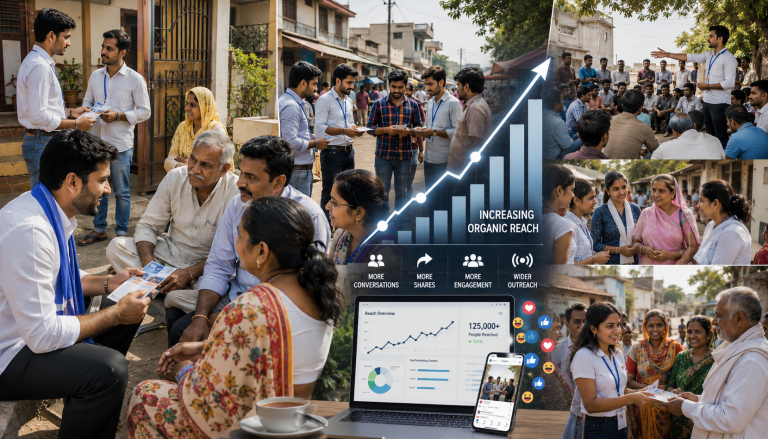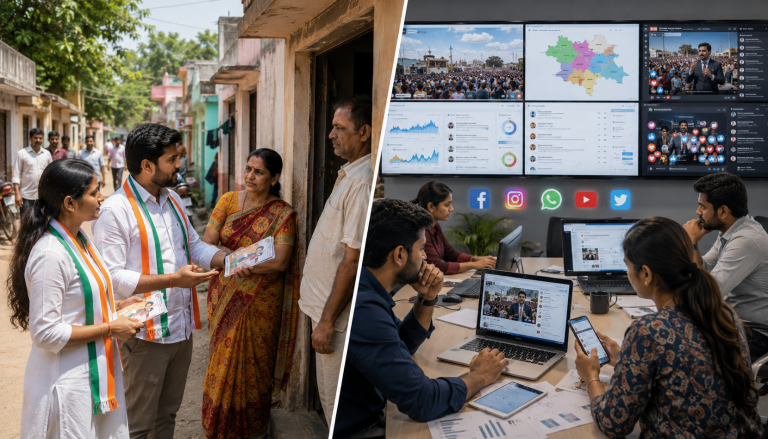

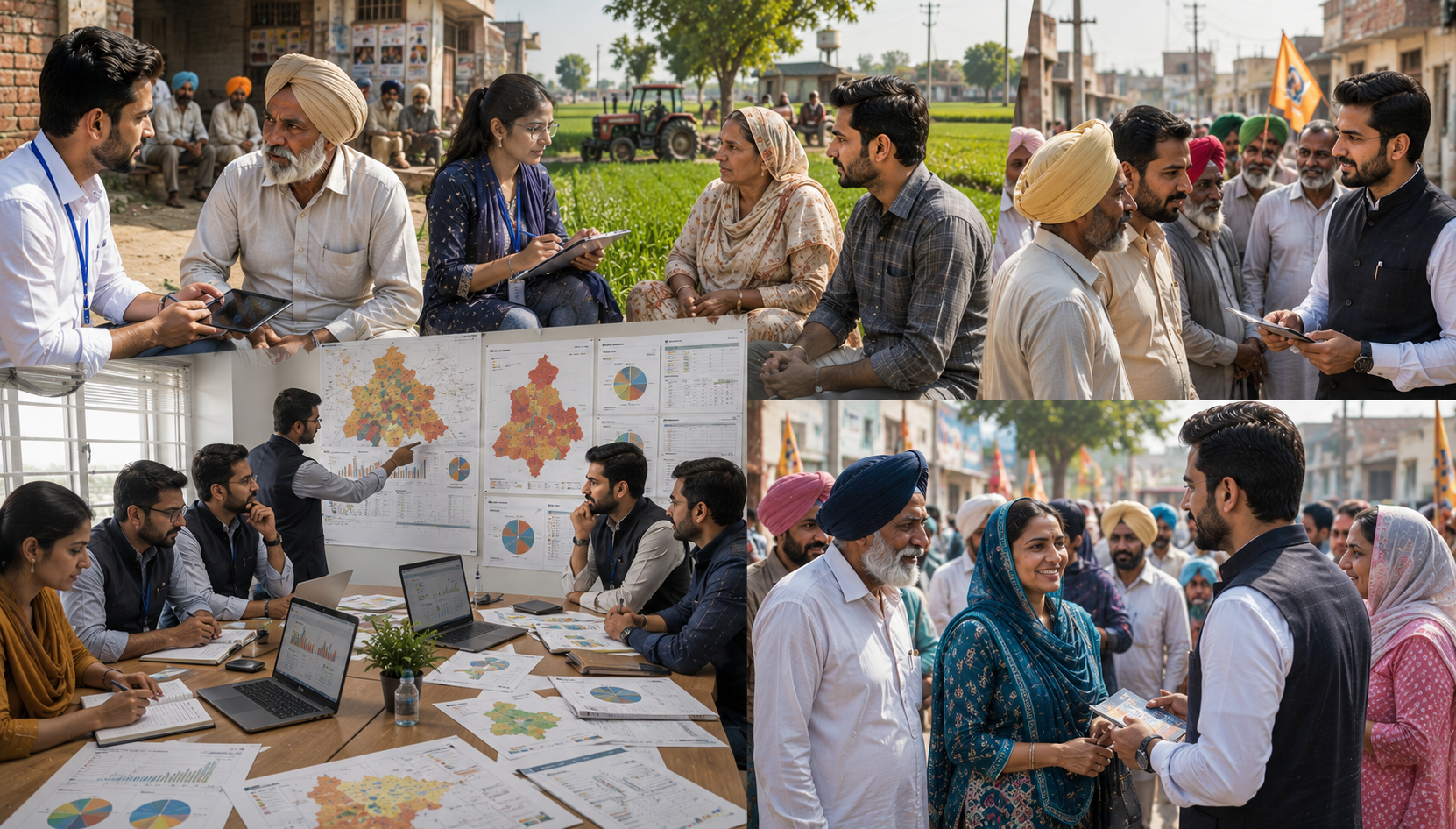
Winning an election in Punjab is not just about putting up hoardings or running ads on television. It is about understanding what the people actually want, and more importantly, what they are not saying out loud. That is exactly where election surveys come in. A well-planned survey, especially a structured door to door survey in Punjab, gives a political party or candidate real, on-the-ground information that no social media feed or news channel ever can.
In this article, we will break down how election surveys work, why they matter so much in a state like Punjab, and how a professional campaign management company in Punjab can use them to turn voter data into actual votes on election day.
What is an Election Survey, and Why Does It Matter in Punjab?
An election survey is a research process where trained field teams speak directly with voters, ask them structured questions, and record their opinions on candidates, parties, and local issues. Think of it like a report card, but for a political candidate. It tells you where you are strong, where you are losing ground, and what you need to fix before polling day.
Punjab is a state with 117 assembly constituencies spread across three distinct regions, Majha, Malwa, and Doaba. Each region has its own set of issues, communities, and political moods. What matters to a farmer in Sangrur may be very different from what concerns a young professional in Mohali. Running a one-size-fits-all campaign without understanding these differences is one of the most common reasons candidates lose elections they should have won.
According to the Election Commission of India, Punjab recorded a voter turnout of over 60% in the 2022 assembly elections. With numbers like that, even small shifts in voter opinion at the booth level can decide results. That is why serious campaigns invest in proper survey work before making any big decisions.
How a Door to Door Survey in Punjab Works
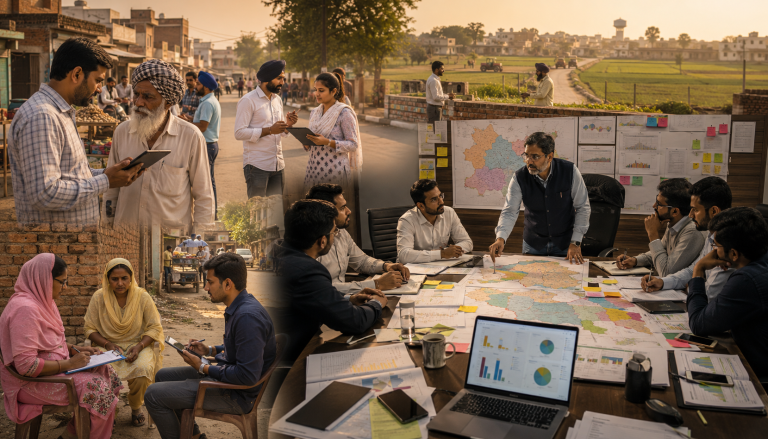
A door to door survey in Punjab is exactly what it sounds like, field teams going house to house within a constituency to meet voters face to face. This method is considered the most reliable form of voter research because it removes the filter of screens and algorithms. You are talking to real people in their real environment.
Here is how the process typically works. First, a survey questionnaire is designed based on the campaign’s needs. This could include questions about candidate awareness, party preference, key local issues, or reactions to a specific policy. Then, trained surveyors are deployed across specific wards, villages, and booth zones. They visit households, conduct interviews, and record responses, often using mobile-based apps for accuracy and speed. Finally, all the data is compiled into reports that break down voter sentiment at the booth level.
What makes the door to door survey in Punjab particularly valuable is the personal connection it builds. When a voter sees a representative of a campaign at their doorstep, listening to their problems, noting down their concerns, it leaves an impression that no pamphlet or WhatsApp forward can match. Punjab’s voters, especially in rural areas, deeply respect personal attention. A face-to-face visit communicates respect, and that goes a long way.
The Role of Opinion Poll Surveys in Campaign Planning
Before a campaign even begins, a good campaign team needs to know where things stand. That is the job of an Opinion Poll Survey in Punjab. An opinion poll is conducted at the start or middle of a campaign cycle to measure the public mood. Who is the frontrunner? What issues are dominating conversations? Is the sitting MLA popular or unpopular? Are there communities that are undecided?
An Opinion Poll Survey in Punjab is not just about predicting who will win. More importantly, it helps a candidate understand where to focus energy and resources. If a survey shows that a particular group of villages is leaning toward the opposition because of a specific grievance, say, poor road connectivity or lack of water supply, the campaign can address that issue directly and win those voters over.
When done by professionals, opinion polls are a powerful planning tool. They help campaigns avoid wasting money on constituencies where they are already strong, and instead direct attention to the areas where a few hundred votes could change the result.
Why You Need a Campaign Management Company in Punjab for Survey Work
Running a door to door survey in Punjab on your own sounds simple enough, but in practice, it is a massive logistical challenge. You need trained surveyors who speak the local language, understand the community’s sensitivities, and know how to ask questions without influencing answers. You need field supervisors to make sure the data being collected is real and not fabricated. You need technology to track coverage and compile results. And you need analysts who can turn raw data into a useful campaign strategy.
That is why working with a professional campaign management company in Punjab makes a huge difference. A company with field experience across Punjab’s diverse constituencies brings more than just manpower; they bring knowledge of local dynamics, caste equations, booth-level histories, and community trust that takes years to build.
A reliable campaign management company in Punjab also ensures accountability. GPS-tracked field logs, daily reporting, and verified survey samples mean you are getting real intelligence, not inflated numbers that just tell you what you want to hear.
What Surveys Actually Tell You, and How Campaigns Use That Data
The real value of a door to door survey in Punjab shows up in the strategy meetings that follow. When your campaign team sits down with booth-level survey data, a clear picture emerges. Some booths will show strong support. Others will show weak recall of the candidate’s name, which means awareness work is needed. Some areas will surface a specific issue that keeps coming up repeatedly, such as water supply, unemployment, road conditions, school quality, and that becomes the focus of the campaign’s local messaging.
Surveys also help identify swing voters. These are the people who are not firmly committed to any party or candidate. In a closely contested Punjab assembly seat, swing voters can make up anywhere between 10% and 20% of the electorate. Identifying them through an Opinion Poll Survey in Punjab and then targeting them specifically with personalized outreach is one of the most effective campaign tactics available today.
Beyond voter preferences, field surveys also pick up competitive intelligence. Surveyors naturally observe what the opposition is doing, whether they are active in a particular area, what messaging they are using, and which local influencers they are meeting. That kind of on-the-ground awareness keeps a campaign agile and responsive.
Door to Door Surveys Work Across Urban and Rural Punjab
One thing worth noting is that the door to door survey in Punjab is effective across very different kinds of constituencies. In dense urban areas like Ludhiana or Amritsar, where digital media is noisy and impersonal, a direct home visit stands out. It cuts through the clutter in a way that ads simply cannot.
In rural Punjab, across the sprawling Malwa belt or the agricultural heartland of Majha, personal visits align naturally with the culture of the community. People here value face-to-face relationships. A surveyor who takes the time to sit down and listen to a farmer’s concerns about crop prices or a homemaker’s worry about the local government school is doing something deeply meaningful. That kind of connection translates directly into trust for the candidate the surveyor represents.
In 2026, with Punjab’s next major electoral cycle approaching, campaigns that are already investing in structured voter outreach through door to door surveys are building a head start that late starters will struggle to close.
Frequently Asked Questions
What is a door to door survey in Punjab, and how is it different from a regular opinion poll?
A door to door survey in Punjab involves field teams physically visiting households to speak with voters one-on-one. A regular Opinion Poll Survey in Punjab, on the other hand, can be conducted through phone calls or online platforms. The door to door method is considered more accurate for local-level campaigns because it reaches voters who may not be active online, and it builds a direct human rapport that phone-based methods cannot.
At what stage of a campaign should we start the door to door survey in Punjab?
Ideally, a door to door survey in Punjab should begin early, at least two to three months before the election. An early survey gives you baseline data on voter mood and candidate awareness, which helps shape the entire campaign strategy. Follow-up surveys closer to election day can then track how voter sentiment has shifted in response to the campaign’s activities.
How does an Opinion Poll Survey in Punjab help a candidate who is already well known?
Even for a well-known candidate, an Opinion Poll Survey in Punjab is extremely useful. Popularity and electability are not the same thing. A survey may reveal that while a candidate is widely recognized, there are specific communities or age groups where they are losing ground. It may surface a local issue that has created quiet resentment. This kind of honest data helps a confident candidate avoid complacency and address real gaps before it is too late.
What should I look for when hiring a campaign management company in Punjab for survey work?
When choosing a campaign management company in Punjab, look for three things: field experience in Punjab’s specific constituencies, transparent data collection practices (such as GPS tracking and verified reports), and a team that communicates clearly and honestly, even when the data shows something you do not want to hear. A company that only tells you what you want to hear is not doing its job.
Can a door to door survey in Punjab be done in a short timeframe if elections are announced suddenly?
Yes, a good campaign management company in Punjab with a trained and ready field workforce can mobilise quickly for rapid constituency scans. While a comprehensive, multi-round survey programme takes weeks, a focused, rapid assessment covering key wards and booths can be completed in a shorter window and still provide highly useful directional data for last-minute campaign decisions.