
Running a campaign, whether it’s a product launch, a political drive, or a full-scale marketing push, takes a lot of effort. And if you’re still managing it all through spreadsheets, WhatsApp groups, and manual follow-ups, you already know how quickly things can fall apart. That’s exactly where campaign management software steps in. It’s not a luxury anymore. It’s quickly becoming the backbone of every organised, results-driven campaign team in 2026.
In this article, we’ll break down how the right campaign management software can genuinely save you time, cut down costs, and help you run campaigns that actually work, without burning out your team in the process.
What is Campaign Management Software, and Why Does it Matter?
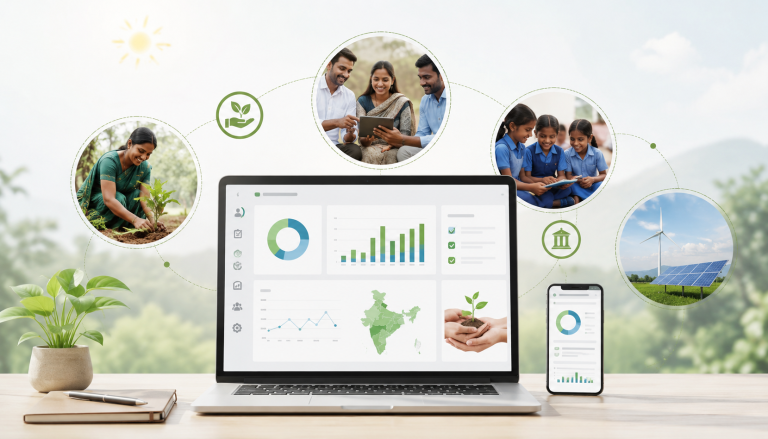
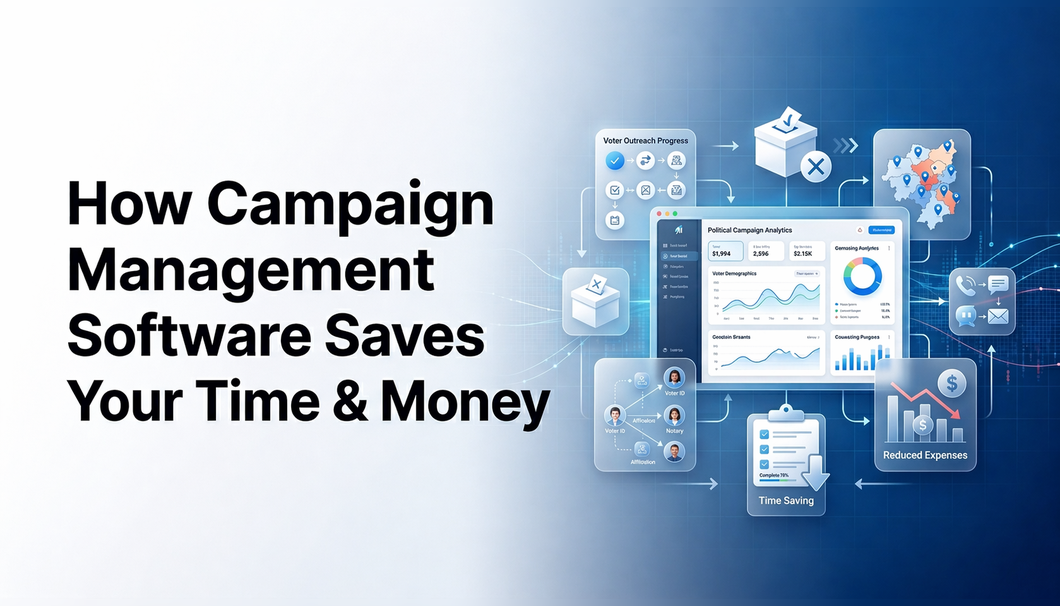
Campaign management software is a digital platform that helps you plan, execute, track, and analyse your campaigns, all in one place. Instead of juggling five different tools and losing track of who’s doing what, everything from task assignments to performance reports lives inside a single system.
According to a 2025 report by Salesforce, teams that use dedicated campaign management tools are 30% more likely to hit their campaign goals compared to those relying on manual processes. And with the average marketing team spending nearly 20 hours a week on administrative tasks alone, that’s a significant chunk of time being wasted that could go toward actual strategy and execution.
For businesses in India and globally, the shift toward organised campaign software is not just about efficiency; it’s about staying competitive. Whether you’re a startup running digital ads or a large enterprise coordinating multi-channel outreach, having a structured system makes a measurable difference.
How Campaign Management Software Saves You Time
Let’s be honest. Time is the one resource you can never get back. One of the biggest advantages of using campaign management software is how much manual, repetitive work it takes off your plate.
Think about tasks like sending follow-up emails, updating campaign statuses, generating performance reports, or notifying team members about deadlines. Most of the best campaign management software platforms today come with automation built right in. You set it up once, and the system handles it on its own. This means your team spends less time on admin and more time doing work that actually drives results.
Collaboration is another area where time gets eaten up fast. When your campaign team is split across multiple locations or departments, miscommunication is almost guaranteed without a central system. Campaign management software gives everyone a shared dashboard, tasks, timelines, approvals, and communication are all visible in one place. No more “I didn’t get that email” or “I thought you were handling that.”
Real-time reporting is another major time-saver. Instead of pulling data from different platforms and compiling it manually, your campaign management software aggregates everything automatically. You get live insights without waiting for the end of the month to understand how things are performing.
How does it save you money?
Saving time directly translates into saving money, but campaign management software does more than just that.
First, it reduces human error. Manual processes are prone to mistakes, a wrong figure in a report, a missed deadline, and an ad that goes live with the wrong budget. Errors like these cost money to fix and can damage credibility with clients or stakeholders. A structured platform minimises these risks significantly.
Second, better data leads to smarter budget allocation. The best campaign management software gives you detailed analytics that show exactly which channels, messages, and segments are performing well. Instead of spending equally across all channels and hoping for the best, you can put your budget where it actually works. This kind of data-driven decision-making can improve your campaign ROI considerably; some businesses report saving up to 25% on ad spend by simply redirecting budget based on real performance data.
Third, it reduces the need for multiple standalone tools. Many teams end up paying for separate tools, one for email, one for project management, one for reporting, and one for CRM. A comprehensive campaign management software platform often combines many of these functions, lowering your overall software spend.
Election Campaign Management Software: A Special Use Case
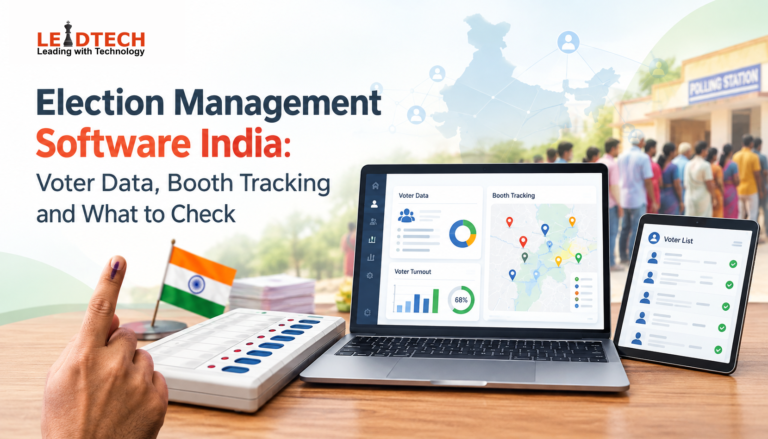
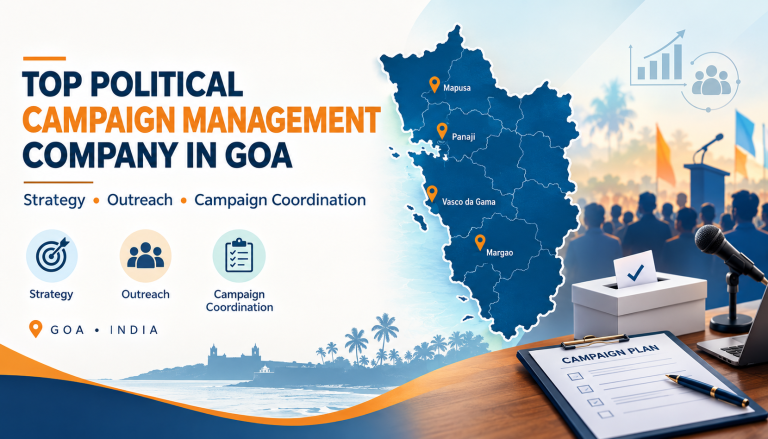
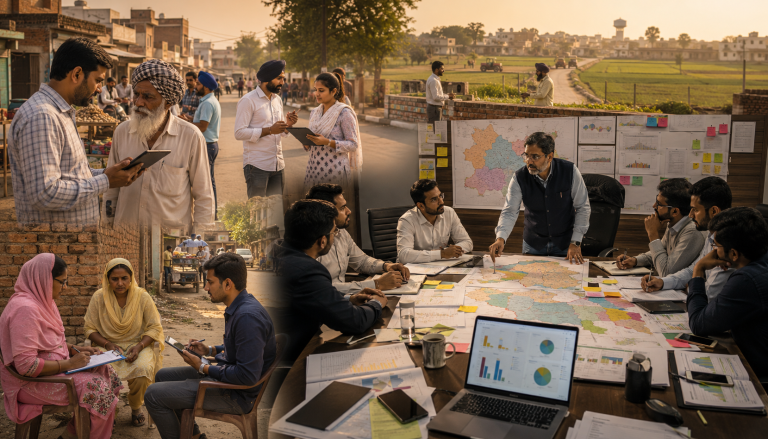
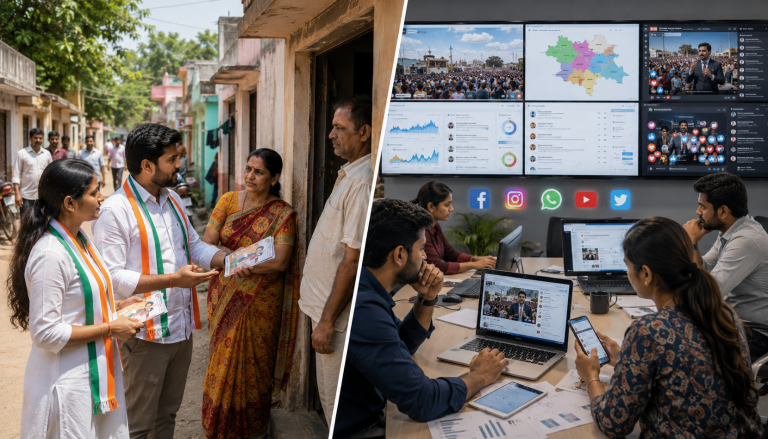
One area where campaign management software has become critically important is political campaigning. Election campaign management company design software solutions specifically to handle the unique demands of running a political campaign, including managing volunteer networks, tracking voter outreach, organising ground-level events, and coordinating mass communication across phone, SMS, and digital channels.
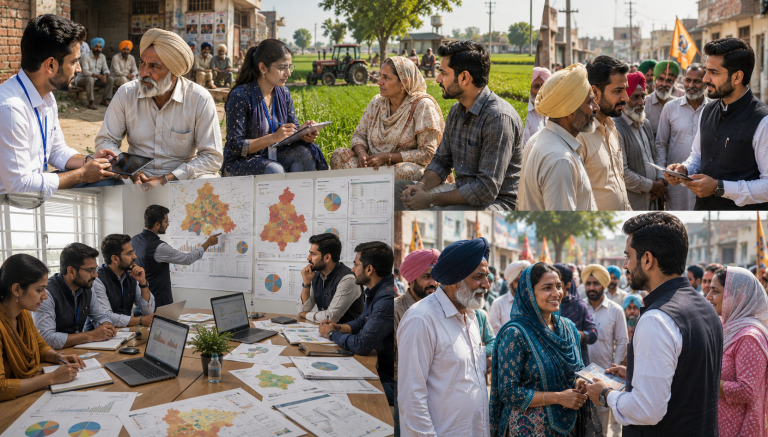
In India, especially, where elections involve massive grassroots coordination across constituencies, having reliable election campaign management software is no longer optional for serious political parties or candidates. The 2024 general elections saw a sharp rise in the use of digital platforms to manage booth-level strategies, voter data, and volunteer assignments. That trend has only continued into 2026, with campaigns of all sizes, from municipal ward elections to state assembly campaigns, turning to structured software to manage the complexity.
Election campaign management software helps campaign managers track voter sentiment, segment outreach based on demographics, assign canvassing zones, and monitor progress in real time. This reduces the chaos that typically comes with large-scale on-ground operations and helps campaigns respond quickly to changing ground realities.
Platforms like LeadTech.in are built with this complexity in mind, offering tools tailored to the Indian campaign ecosystem, from booth management to candidate communication workflows.
Choosing the Best Campaign Management Software for Your Needs
Not all campaign management tools are built the same, so picking the right one requires some thought. The best campaign management software for a digital marketing agency will look very different from what a political campaign or an NGO needs.
Here are a few things worth evaluating. Does the software offer automation that fits your specific workflow? Is it scalable, meaning will it still work well when your campaign grows from 10 volunteers to 1,000? Does it integrate with the other tools you already use, like your CRM or social media platforms? And critically, is the interface easy enough that your entire team can actually use it without needing weeks of training?
For Indian users in particular, it’s worth checking whether the platform offers localisation support, handles regional languages, and provides customer support in a time zone that works for you. Many global tools fall short here, which is why homegrown platforms built specifically for the Indian market tend to have an edge.
Pricing is obviously a factor too, but avoid the trap of choosing only on cost. A cheaper tool that your team doesn’t use properly will cost you far more in the long run than a slightly pricier platform that actually gets adopted and used.
Why the EEAT Signals Matter When Picking a Platform
If you’re running digital campaigns for clients or managing campaigns for a business, the tools you use also reflect on your credibility. Google’s EEAT model, which stands for Experience, Expertise, Authoritativeness, and Trustworthiness, applies not just to content but to the entire ecosystem you build around your campaigns.
Using reliable, well-documented campaign management software signals to clients and stakeholders that your processes are structured and professional. It also means your campaign data is accurate and auditable, which builds trust over time. When reporting to a client or a political principal, being able to show clean, real-time data from a credible platform makes a real difference to how seriously your work is taken.
The Bottom Line
Campaign management software isn’t just a productivity tool; it’s a strategic investment. Whether you’re managing digital marketing campaigns, on-ground outreach, or election campaigns across multiple constituencies, the right platform can save you real hours every week and reduce campaign costs meaningfully.
As campaigns get more complex and audiences expect more personalised engagement, running operations manually simply isn’t sustainable. The best campaign management software helps you stay organised, move faster, make better decisions with data, and ultimately get better results for every rupee spent.
If you’re looking for a platform built for the Indian market, one that understands the nuances of local campaigns, from digital to on-ground, Leadtech is worth exploring. It’s designed to handle the real-world demands of campaign management at scale, whether you’re a brand, a political party, or a campaign agency.
Frequently Asked Questions (FAQs)
What is campaign management software used for?
Campaign management software is used to plan, run, track, and analyse campaigns from a single platform. It helps teams automate repetitive tasks, collaborate in real time, manage budgets, and measure campaign performance, reducing manual work and improving overall results.
How does campaign management software save money?
It saves money by reducing human errors, optimising budget allocation through data insights, cutting down on multiple standalone tool subscriptions, and improving team efficiency. Many businesses report saving up to 25% on campaign spending after switching to a centralised platform.
What is election campaign management software?
Election campaign management software is a specialised type of campaign tool designed for political campaigns. It helps manage voter outreach, volunteer coordination, booth-level strategies, ground canvassing, and mass communication, all in one system. In India, it’s increasingly used for elections at every level, from local to national.
What should I look for in the best campaign management software?
The best campaign management software should offer workflow automation, real-time analytics, team collaboration tools, easy integration with existing platforms, and a user-friendly interface. For Indian users, look for localisation support, regional language capabilities, and responsive customer support.
Is campaign management software suitable for small businesses or only large enterprises?
Campaign management software is suitable for businesses of all sizes. Many platforms offer scalable pricing and features, meaning a small team can start with basic tools and expand as their campaigns grow. The efficiency gains are often more impactful for smaller teams that can’t afford to waste time on manual processes.